Anogenital Warts

زگيل مقعدي يا تناسلي

Introduction

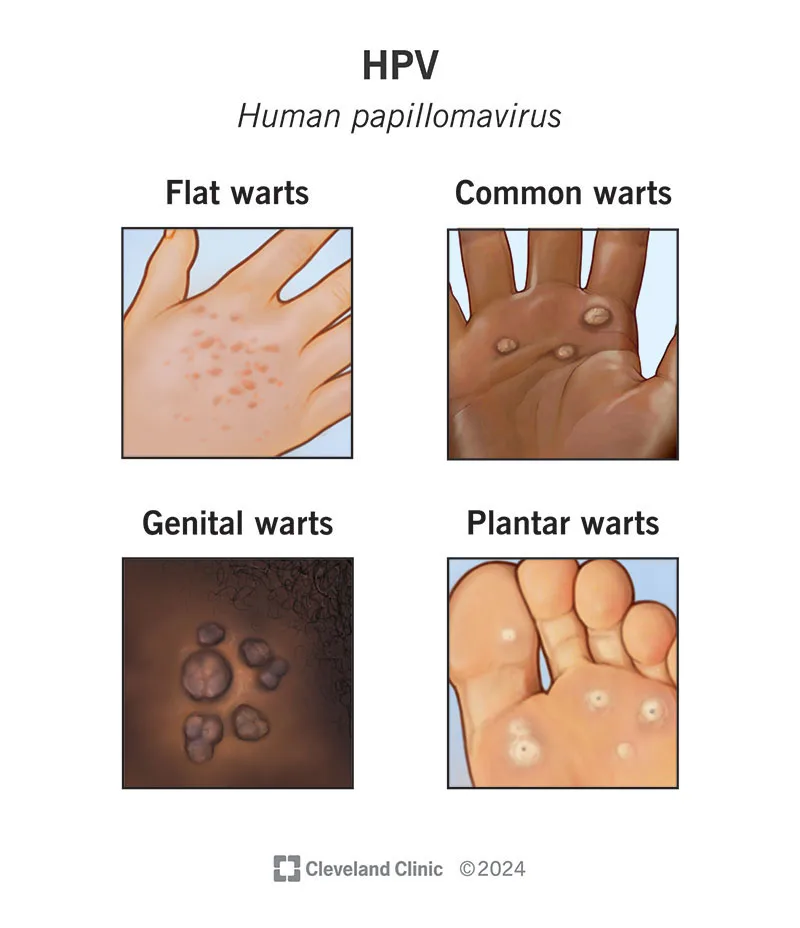
Anal warts are cutaneous or mucosal growths in the genital region and around outlets such as the anus, most commonly caused by infection with the human papillomavirus (HPV). These lesions may appear as single or multiple growths, either small and cauliflower-like or flat and smooth, with considerable variation in size and shape.
The anorectal region and genital areas contain delicate skin and mucosa that are in close contact with each other; viruses transmitted through skin-to-skin or sexual contact can easily penetrate these surfaces and induce localized growths. In addition, the distinction between mucosa inside the anal canal and skin outside is important when choosing treatment and predicting discomfort.

Etiology (Causes and Pathophysiology)

The primary cause is human papillomavirus (HPV). Multiple HPV types exist: some are “low-risk” and mainly cause warts, while others are “high-risk” and associated with genital cancers. Most externally visible warts are produced by low-risk types and are not cancerous by themselves; however, the presence of HPV implies transmissibility, and in some cases the coexistence of high-risk types is possible—making follow-up and prevention essential.

Epidemiology (Prevalence and Risk Factors)

  • Genital warts are very common; anyone who has been sexually active may be exposed to HPV.
  • The peak incidence typically occurs in adolescence and early adulthood, when sexual activity is most frequent.
  • Risk is higher in individuals with multiple sexual partners, early onset of sexual activity, or weakened immune systems.

Pathogenesis (Mechanism of Disease Development)

  • HPV is transmitted primarily through sexual contact, specifically direct skin-to-skin contact involving the genital and anal regions.
  • Correct condom use reduces—but does not eliminate—the risk of transmission, because condoms do not cover all potentially affected surfaces.
  • Transmission can occur even in the absence of visible lesions; a partner may carry HPV without having any warts.
  • Nonsexual transmission is rare. Perinatal transmission from mother to infant can occur with certain HPV types affecting the throat or larynx, but for anal warts the main route of spread is sexual contact.

Etiology (Causes and Pathophysiology)

  • Small or clustered growths may appear around the anus, vagina, penis, or surrounding skin.
  • They may be painless or cause itching, burning, or discomfort during sitting or bowel movements.
  • Occasionally, minor bleeding may occur with irritation or after sexual contact.
  • Lesions vary widely in size and shape, ranging from flat plaques to larger cauliflower-like growths.
  • Some individuals carry the virus without developing any visible lesions.

Diagnosis

The clinician will ask about symptoms, time of onset, sexual partners, prior history of warts, and previous treatments, followed by a careful examination of the skin and mucosa in the affected area.

  • In most cases, diagnosis is made clinically by visual inspection.
  • If lesions are atypical, numerous, resistant to treatment, or suspicious for dysplasia or another condition, a biopsy may be performed for pathological evaluation.
  • Viral testing (such as HPV PCR) is reserved for specific situations, including determining the viral type or for research and specialized therapeutic planning.
  • When lesions appear in the mouth, throat, or urinary tract, targeted evaluation of those regions is required.

Treatment

The goal of treatment is typically to remove the visible lesions (warts) and reduce symptoms and viral transmission. Treatment does not necessarily eradicate the virus itself, and recurrence remains possible.

A) Self-care and Watchful Waiting
  • Some warts resolve spontaneously over months to a few years without treatment.
  • If the lesions are small, asymptomatic, or if the patient prefers not to undergo therapy, a “watchful waiting” approach with regular follow-up is acceptable.
  • Imiquimod cream: An immune-response modifier that enhances local antiviral activity and is effective for certain lesions; it may cause redness or local irritation.
  • Imiquimod cream: An immune-response modifier that enhances local antiviral activity and is effective for certain lesions; it may cause redness or local irritation.
  • Sinecatechins ointment: A green tea extract–based topical agent used for selected external lesions.

Note: All of these medications must be prescribed by a clinician. Incorrect or unsupervised use can cause significant irritation or tissue injury. Several of these agents are contraindicated during pregnancy.

  • Cryotherapy (liquid nitrogen freezing): Freezes and destroys the lesion; performed in the clinic and often requires multiple sessions.
  • Trichloroacetic acid (TCA): A chemical cauterizing agent applied only by the clinician directly onto the wart, causing controlled necrosis. It is considered safe for use during pregnancy and in certain special conditions.
  • Electrocoagulation, curettage, or surgical excision: Used for large or treatment-resistant lesions; mechanical removal performed either in the clinic or operating room.
  • Laser therapy: Reserved for extensive or refractory lesions, typically performed in specialized centers.
  • Combination therapy—such as cryotherapy plus topical treatment—is commonly used in many patients.
  • Small, limited lesions → Typically managed with at-home topical therapy or a single session of cryotherapy.
  • Large, clustered, or treatment-resistant lesions → Surgical excision, laser therapy, or combination approaches may be required.
  • Pregnancy → Certain topical agents, such as podophyllotoxin, are contraindicated. Safer options—such as cryotherapy or clinician-applied TCA—are preferred.
  • Individuals with immunosuppression → Lesions may be more extensive and resistant to therapy, often requiring multidisciplinary care and repeated treatment sessions.

Yes. Even after visible lesions are removed, the virus may persist in the skin or mucosa, allowing new lesions to appear later. Some individuals experience repeated recurrences and may require multiple treatments or long-term follow-up.

  • The HPV vaccine is highly effective in preventing many HPV types and can significantly reduce the occurrence of genital warts as well as cancers associated with high-risk HPV strains.
  • Vaccination is most effective before the onset of sexual activity, as its purpose is to prevent initial infection. Many countries have national vaccination programs for adolescents of all genders.
  • For detailed information on recommended vaccination ages, dosing schedules, and national guidelines, individuals should consult local health authorities or their physician.
  • Condom use can reduce—but not fully eliminate—the risk of transmission, as HPV can spread through contact with areas not covered by a condom.
  • Some topical medications (such as podophyllotoxin and podophyllin) are contraindicated during pregnancy; clinician-applied treatments such as cryotherapy or topical acids are generally preferred in pregnant patients.
  • The presence of anal or genital warts is not, by itself, an indication for cesarean delivery. Only in very rare situations—when large lesions physically obstruct vaginal delivery—might additional precautions be considered. Final decisions are made collaboratively by the obstetrics team and the surgeon.
  • The warts themselves are usually caused by low-risk HPV types, and these lesions do not, by themselves, transform into cancer.
  • However, the presence of HPV in the body indicates the possibility of co-infection with high-risk HPV types, some of which are associated with cancers of the cervix, anus, or penis.
  • For this reason, individuals with suspicious lesions or lesions involving internal mucosal surfaces (such as within the vagina or anal canal) may require referral for further evaluation and additional testing.

Seek medical attention immediately or as soon as possible if:

  • The lesions grow rapidly or recur frequently.
  • You experience pain, unusual bleeding, or foul-smelling discharge.
  • Any atypical lesions appear (for example, firm areas, discoloration, or multifocal lesions outside the usual distribution).
  • You have a weakened immune system (such as HIV infection or use of immunosuppressive medications) — closer monitoring is essential in these cases.

Role of the Colorectal Surgeon

  • Most anal warts can be treated with outpatient or office-based procedures.
  • The surgeon’s role becomes more prominent when lesions are very large, persistently recurrent, require extensive excision or tissue reconstruction, involve deeper structures, raise suspicion for another type of lesion, or when a combination of operative techniques is needed.
  • Collaborative evaluation among dermatologists, sexually transmitted infection specialists, colorectal surgeons, and gynecologists—depending on the location and complexity of the lesions—can provide the most effective care.

Frequently Asked Questions About Anal Warts

Does every wart need to be removed?

No. If the lesions are small, asymptomatic, and few in number, a watchful waiting approach is acceptable. Treatment is recommended when there is discomfort, bleeding, or patient concern.

No treatment completely eliminates the virus; however, therapy removes visible lesions and reduces symptoms. Recurrence remains possible.

In most cases, partners should be informed and advised to seek evaluation and counseling. Many national guidelines recommend that current or recent sexual partners be notified and assessed. The need for testing or treatment depends on individual circumstances and the clinician’s recommendations.

Yes. The vaccine helps prevent new HPV infections and, in many cases, reduces the risk of acquiring additional HPV types. Your clinician can provide individualized guidance based on your situation.


It is advisable to avoid sexual contact—or use condoms consistently—until visible, potentially transmissible lesions have resolved and treatment is complete, preferably with your clinician’s confirmation. Open communication with your partner is important.

Summary for Patient

Anal warts are a common condition caused by HPV and are often treatable with local, office-based procedures. The condition is both common and manageable, although the virus may persist in the body and recurrences can occur. Preventive vaccination and safer sexual practices (limiting the number of partners and proper condom use) are the most effective preventive strategies.
A range of treatment options exists—from topical medications to cryotherapy and surgical excision—selected according to the size and location of the lesions and patient preference.
In pregnancy and immunocompromised individuals, treatment choices differ, and consultation with a specialized care team is essential.