Diverticulosis

Introduction

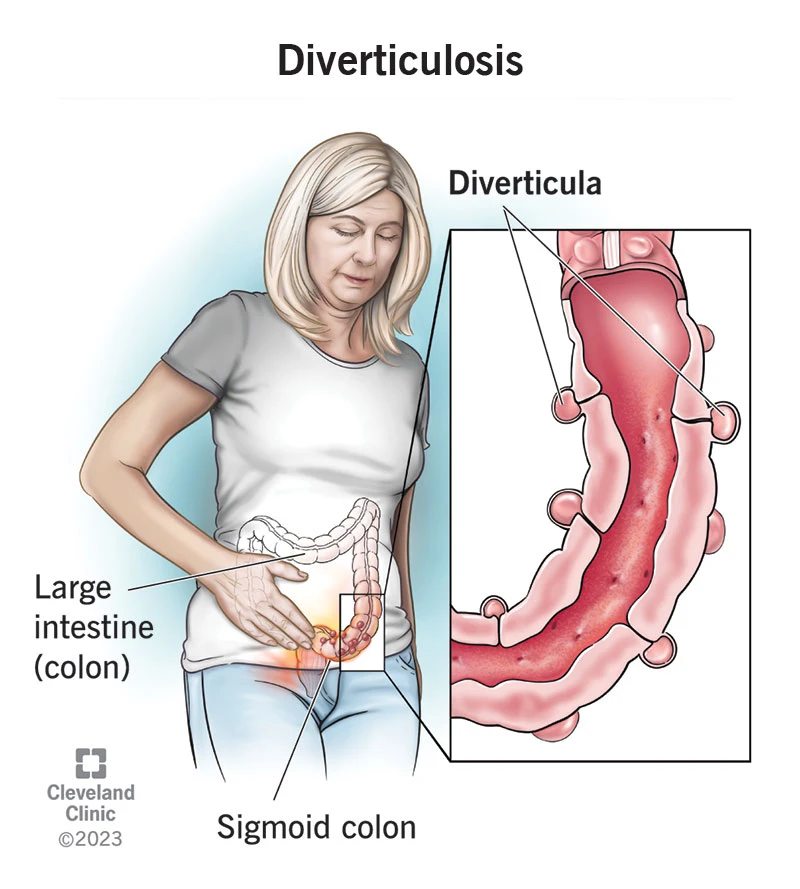
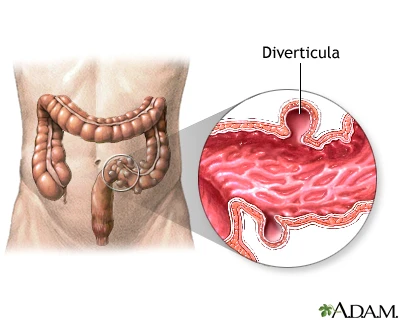
Diverticulosis refers to the presence of multiple small pouches (diverticula) in the large intestine or colon, which protrude outward from the inner layers of the large intestinal wall. When these pouches become inflamed or infected, it is called diverticulitis.

Epidemiology (Prevalence and Risk Factors)

  •  Prevalence increases with age; after the age of 60, a significant percentage of the population develops diverticula.
  • Historically, the distribution pattern of diverticula location varied among populations: in Western countries (Europe, North America), it was most commonly seen in the sigmoid colon (the lower left part of the colon); in some Asian populations, cases involving the right colon were reported more frequently. However, with changes in diet and lifestyle, these differences have diminished, and the current pattern is variable
  • Social and lifestyle factors (diet, activity, obesity) play a significant role in its prevalence.

Causes and Risk Factors

  •  Advanced age (structural changes and weakening of the intestinal wall tissue).
  •  Low-fiber diet and bowel habits that lead to hard stool and straining.
  •  Sedentary lifestyle, obesity, and smoking.
  • Chronic use of certain medications such as NSAIDs (non-steroidal anti-inflammatory drugs like ibuprofen, naproxen, aspirin) which can make the mucosa more vulnerable.

  • In some cases, genetic predisposition or connective tissue disorders play a role.
Pathogenesis (mechanism of disease)

  •  How diverticula form and why some become symptomatic
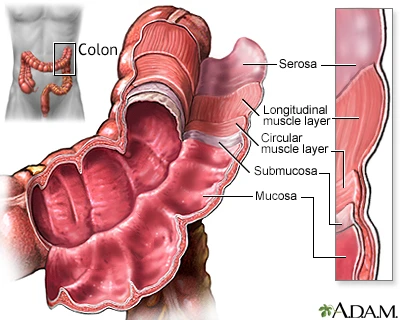
  •  The sites where the vasa recta (nutrient vessels) penetrate the muscular layer are natural weak points in the intestinal wall.
  • When intracolonic pressure increases (e.g., due to hard stool or straining), the mucosa and submucosa herniate through these weak points, forming a diverticulum
  • Most diverticula remain asymptomatic. In some, trapping of bacteria or material within the diverticulum leads to local inflammation → diverticulitis. If inflammation becomes severe, it can lead to necrosis and perforation, or erosion of vessels and bleeding.

Clinical manifestations

  • Asymptomatic diverticulosis: often has no symptoms and is discovered incidentally during colonoscopy or imaging.
  • Mild symptoms: vague or mild discomfort in the lower left abdomen, bloating, or changes in bowel habits.

  • Acute diverticulitis: sharp, constant pain at the site of involvement (usually the lower left), fever, nausea, loss of appetite, and elevated inflammatory markers (CRP↑).
  • Complicated symptoms: If an abscess, fistula (an abnormal tunnel between the intestine and bladder or skin), or perforation occurs, severe pain, high fever, generalized abdominal tenderness, or signs of shock may be present.
  •  Bleeding: Sometimes a diverticulum causes sudden and significant bleeding in the stool, which usually begins painlessly.

Diagnosis

  1. Clinical examination and history taking: The location of pain, fever, history of bleeding, or previous episodes are assessed.
  2.  Blood tests: to assess for inflammation and anemia.
  3. Imaging (contrast-enhanced CT preferred): When diverticulitis is suspected, an abdominal and pelvic CT scan with contrast is the best method for diagnosing inflammation, abscess, and other complications. In emergency or complicated cases, CT is the modality of choice.
  4.  Colonoscopy: It is usually not performed during the acute phase of inflammation (due to the risk of perforation). A colonoscopy is usually performed 6-8 weeks after complete recovery to rule out other lesions (e.g., polyps or cancer) and to evaluate the colon.

Treatment of Diverticulosis

Initial Management and General Prevention

  • Increase dietary fiber intake: fruits, vegetables, and whole grains — the goal is to soften stool and reduce intraluminal colonic pressure.
  • Maintain regular physical activity, achieve healthy weight control, and stop smoking.
  • Cautious use of NSAIDs: If analgesia is needed, consult a physician; alternatives such as acetaminophen may be safer. If NSAID use is unavoidable, the physician may prescribe gastrointestinal protective agents (e.g., acid-suppressive therapy).

Management of Uncomplicated Diverticulitis

  • Most patients improve with rest, a clear-liquid or soft diet, appropriate analgesia, and close clinical follow-up.
  • Antibiotics are indicated in patients with fever, systemic symptoms, immunosuppression, or concerning clinical status. The decision to initiate antibiotics should be based on the patient’s examination and overall condition.

Management of Complicated Diverticulitis

  • Abscess: Small abscesses in stable patients may be managed with antibiotics alone. Larger abscesses typically require drainage under imaging guidance (CT-guided percutaneous drainage).
  • Segmental Resection (e.g., Sigmoidectomy):
    Surgical removal of the affected segment with primary anastomosis (joining the healthy ends). This may be performed as a one-stage procedure in stable patients without extensive contamination.
  • Hartmann Procedure (for emergency cases): Resection of the diseased segment with creation of a stoma (colostomy) and closure of the rectal stump. If appropriate, reversal with restoration of continuity may be performed later.
  • Percutaneous Abscess Drainage: Interventional radiology–guided drainage may be used before surgery to stabilize the patient and allow for an elective operation.

Role of the Colorectal Surgeon

Surgery is indicated for the management of the following complications:

  • Perforation or peritonitis (requires emergent surgery).
  • Abscesses that cannot be controlled with percutaneous drainage.
  • Colovesical or colovaginal fistulas.
  • Symptomatic bowel obstruction or strictures.
  • Recurrent symptomatic inflammatory episodes that impair quality of life or carry a high risk of recurrence.
  • Recurrent or severe bleeding that cannot be controlled medically or endoscopically.

Frequently Asked Questions About Diverticulosis

1. Should I avoid nuts and seeds?

Not necessarily. There is no strong evidence that eating seeds or nuts triggers diverticulitis. It is generally recommended to follow a high-fiber, well-balanced diet, and to limit any specific foods that cause individual discomfort.

No. In uncomplicated cases without systemic symptoms, supportive care and close follow-up are usually sufficient. Antibiotics are required when there is fever, immunosuppression, or signs of complicated infection. The decision is based on clinical evaluation and imaging findings.

Diverticulosis itself is not considered a cause of cancer; however, after an episode of diverticulitis, it is recommended to undergo colonoscopy once recovery is complete (usually after 6–8 weeks) to rule out other underlying lesions.

Surgery is indicated in cases of perforation, peritonitis, abscesses that cannot be controlled with drainage, symptomatic fistulas or obstruction, and in patients with recurrent, severe episodes that significantly impair quality of life.

A high-fiber diet, adequate hydration, regular physical activity, weight control, and avoiding long-term use of NSAIDs are effective measures to reduce the risk.

Summary for Patient

Diverticulosis refers to the presence of small pouches in the colonic wall, which are often asymptomatic. Adequate fiber intake, regular physical activity, and prevention of constipation can help reduce the risk of complications. If one of these pouches becomes inflamed or infected, abdominal pain and fever may occur, and treatment—depending on severity—can range from supportive care to antibiotics, drainage, or surgery.