
Laser Treatment Center for Anal Conditions
Colorectal Cancer Treatment Center
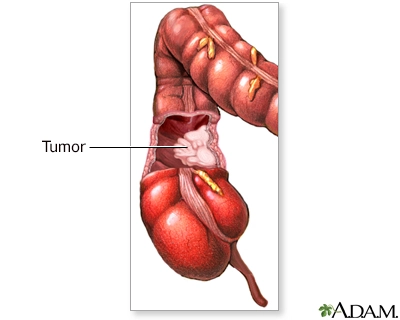
Ascending colon cancer refers to the malignant growth of cells in the ascending portion of the colon—the segment of the large intestine that begins in the lower right abdomen (just after the cecum) and extends upward. The cancerous mass typically originates in the mucosal lining and may expand outward, potentially spreading to nearby lymph nodes or metastasizing through the bloodstream to organs such as the liver or lungs.
Ascending colon cancer, located in the proximal part of the right colon, accounts for approximately 20% of all colorectal cancers. This subtype often becomes symptomatic later in its course, which is why it is frequently diagnosed at more advanced stages. Globally, its incidence is rising, driven by aging populations and Westernized lifestyle patterns. In Iran, cancer registry data also show an increasing number of cases—particularly in major urban areas—likely linked to dietary changes and reduced physical activity.
The exact cause of each tumor is not known, but several recognized factors include:
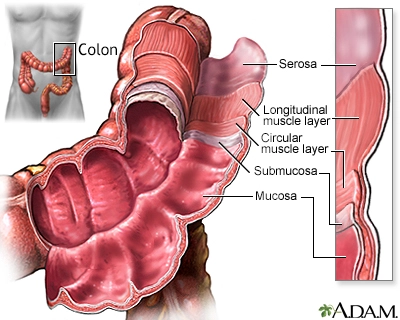
Ascending colon cancer may begin with nonspecific symptoms. Common and notable manifestations include:
Warning: Any new iron-deficiency anemia—especially in adults—must prompt evaluation for a gastrointestinal source of bleeding; this is an important clinical sign.
These imaging studies determine whether the disease is localized or metastatic, which directly influences the treatment plan.
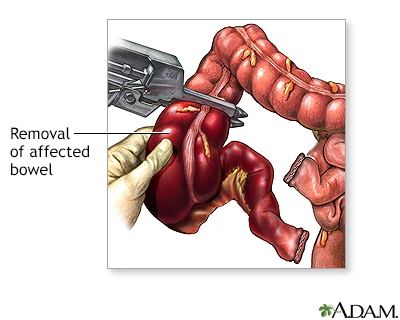
Treatment is determined based on the stage of the tumor (localized or metastatic). The main components include surgery, chemotherapy, and, in some cases, targeted therapies or immunotherapy.
It may not cause significant pain in the early stages. Pain usually appears when the tumor becomes larger or complications develop. For this reason, symptoms such as fatigue or unexplained weight loss should not be ignored.
For localized and resectable tumors, yes — surgery is the cornerstone of treatment. In metastatic disease or in patients who are not in good overall condition, a combination of treatments is planned.
Many patients return to a normal life after recovery, though some may experience changes in bowel habits or energy levels. Your care team will inform you beforehand about what to expect.
If you develop high fever, new severe pain, a sudden increase in rectal bleeding, or persistent discharge from the surgical incision, you should seek medical care immediately.
Ascending colon cancer is a tumor that develops in the right side of the large intestine. It often begins with fatigue and anemia and may not produce clear symptoms at first. Diagnosis is confirmed by colonoscopy and biopsy, and surgery is usually the main treatment. Additional chemotherapy or other therapies may be required afterward. Regular follow-up after treatment is essential so that any recurrence or spread of the disease can be detected early.