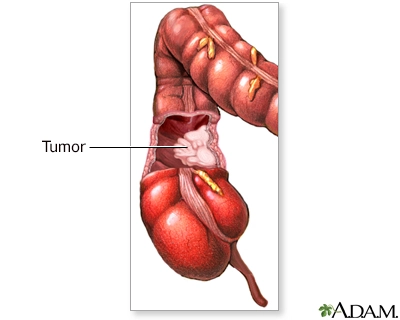
Ascending Colon Cancer

سرطان کولون صعودی

Introduction

Ascending colon cancer refers to the malignant growth of cells in the ascending portion of the colon—the segment of the large intestine that begins in the lower right abdomen (just after the cecum) and extends upward. The cancerous mass typically originates in the mucosal lining and may expand outward, potentially spreading to nearby lymph nodes or metastasizing through the bloodstream to organs such as the liver or lungs.

Epidemiology (Prevalence and Risk Factors)

Ascending colon cancer, located in the proximal part of the right colon, accounts for approximately 20% of all colorectal cancers. This subtype often becomes symptomatic later in its course, which is why it is frequently diagnosed at more advanced stages. Globally, its incidence is rising, driven by aging populations and Westernized lifestyle patterns. In Iran, cancer registry data also show an increasing number of cases—particularly in major urban areas—likely linked to dietary changes and reduced physical activity.

Etiology (Causes and Disease Mechanisms)

The exact cause of each tumor is not known, but several recognized factors include:
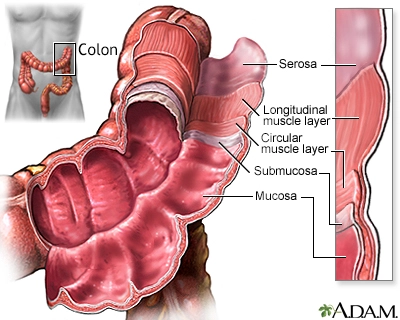
  • Adenomatous polyps: Polyps protruding from the mucosa can become malignant over several years if not removed.
  • Genetics: Certain hereditary syndromes and having a close relative with colorectal cancer increase the risk.
  • Lifestyle factors: High-fat, low-fiber diets, physical inactivity, obesity, and smoking have all been reported as contributing factors.
  • Chronic inflammation: Long-standing inflammatory bowel disease raises the risk.

Pathogenesis (Disease Mechanisms)

  • The process begins with cellular changes in the mucosa: a benign polyp acquires genetic mutations and gradually undergoes malignant transformation.
  • The tumor initially involves the mucosal surface, then invades deeper layers of the bowel wall and may enter blood vessels or lymphatics—pathways through which cancer cells spread to the liver and lymph nodes.
  • The molecular characteristics of the tumor (such as specific mutations) influence its growth behavior, response to treatment, and the likelihood of recurrence.

Clinical Manifestations

Ascending colon cancer may begin with nonspecific symptoms. Common and notable manifestations include:

  • Fatigue and weakness (often due to iron-deficiency anemia), as the tumor may bleed chronically without producing visible blood in the stool.
  • Unintentional weight loss and reduced appetite.
  • Unintentional weight loss and reduced appetite.
  • Chronic diarrhea or changes in bowel habits (such as increased frequency or narrowing of the stool) — though alterations in bowel patterns are more commonly seen in left-sided tumors.
  • Occult blood in the stool (detectable by testing) or occasionally visible blood clots.
  • If the tumor becomes large, symptoms of obstruction such as abdominal bloating, nausea, and vomiting may occur, although obstruction tends to be less common and later in onset with ascending colon tumors.

Warning: Any new iron-deficiency anemia—especially in adults—must prompt evaluation for a gastrointestinal source of bleeding; this is an important clinical sign.

Diagnosis

1) Clinical consultation and physical examination

  • The physician takes a medical history (changes in bowel habits, pain, fatigue, family history) and performs an abdominal and rectal examination, including a digital rectal exam to check for blood in the anal canal.

2) Blood tests

  • CBC (complete blood count): to assess for anemia.
  • CEA (carcinoembryonic antigen): a blood tumor marker that may be elevated in some patients. It is not diagnostic on its own but is useful for follow-up after treatment.

3) Colonoscopy with biopsy — the definitive diagnosis

  • Colonoscopy involves passing a thin, flexible, camera-equipped tube through the anus to examine the entire colon, allowing visualization of the lesion and sampling of tissue. The biopsy is examined microscopically to determine whether the cells are cancerous. This is the essential and definitive step in diagnosis.

4) Imaging for staging

  • Contrast-enhanced CT of the abdomen and pelvis, along with chest CT, is typically used to assess tumor extent, lymph node involvement, and distant metastases such as to the liver or lungs.
  • In some cases, MRI or PET-CT may be added, but CT is the standard and sufficient in most situations.

These imaging studies determine whether the disease is localized or metastatic, which directly influences the treatment plan.

5) Molecular/Genetic testing (when indicated)

  • The pathology specimen may be evaluated for specific mutations or MSI status (microsatellite instability). This information helps guide the selection of targeted therapies or immunotherapy. (Explanation: MSI is a genetic feature that makes certain treatments more effective.)

Treatment of Ascending Colon Cancer

Treatment is determined based on the stage of the tumor (localized or metastatic). The main components include surgery, chemotherapy, and, in some cases, targeted therapies or immunotherapy.
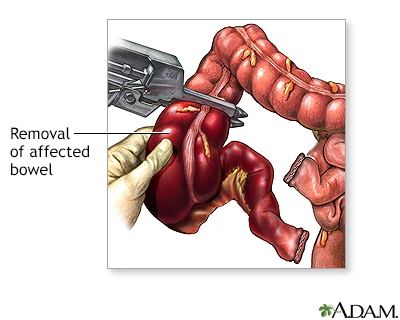
برداشتن روده

A) Surgery

  • Right hemicolectomy is the primary operation for ascending colon cancer.
  • In simple terms, the surgeon removes the ascending colon (including the cecum if necessary) along with the associated lymphatic drainage pathway, and then connects the healthy ends of the bowel together (an anastomosis).
  • An anastomosis means reconnecting two segments of the intestine to restore normal passage of stool.
  • The procedure may be performed laparoscopically (using small incisions and a camera) or as an open surgery. Laparoscopic surgery generally results in less pain and faster recovery, but the choice depends on the patient’s condition and the surgeon’s expertise.
  • In emergency situations (such as obstruction or perforation), a staged approach may be required: for example, removing the tumor and creating a temporary stoma (an external bag on the abdomen) to ensure patient safety, followed by definitive reconstruction in a later operation.

B) Chemotherapy

  • After surgery, depending on the stage of the tumor (depth of invasion, lymph node involvement, or presence of metastasis), chemotherapy may be recommended to eliminate any remaining microscopic cancer cells and reduce the risk of recurrence.
  • In cases where the tumor is already advanced before surgery or lymph node involvement is extensive, chemotherapy may be given before surgery (neoadjuvant therapy) or used alongside other treatments.

C) Targeted Therapies and Immunotherapy

  • In tumors with specific molecular mutations or in certain metastatic cases, targeted therapies or immunotherapy may be beneficial. These treatments act on the molecular characteristics of the tumor. The decision is made by your oncology team.

D) Treatment of Liver or Lung Metastases

  • If only one or a few small metastatic lesions are found in the liver or lungs, surgical removal of the metastases or local treatments (such as thermal ablation or radiofrequency ablation) may be possible and can improve survival. The medical team will determine which approach is most appropriate.

Role of the Colorectal Surgeon

  • Assessing and determining the most appropriate surgical procedure based on the tumor’s location and extent.
  • Removing the tumor along with the necessary lymph nodes to allow accurate pathological staging.
  • Preserving bowel function as much as possible (performing an anastomosis), and explaining the potential need for a stoma when applicable.
  • Collaborating within a multidisciplinary team (surgeon, oncologist, radiologist, pathologist, and specialized nurse) to plan treatment and follow-up care.
  • Educating and preparing the patient before surgery, and providing postoperative follow-up—including wound care, dietary guidance, and timing for returning to work.

Frequently Asked Questions About Ascending Colon Cancer

Is ascending colon cancer painful?

It may not cause significant pain in the early stages. Pain usually appears when the tumor becomes larger or complications develop. For this reason, symptoms such as fatigue or unexplained weight loss should not be ignored.

For localized and resectable tumors, yes — surgery is the cornerstone of treatment. In metastatic disease or in patients who are not in good overall condition, a combination of treatments is planned.

Many patients return to a normal life after recovery, though some may experience changes in bowel habits or energy levels. Your care team will inform you beforehand about what to expect.

If you develop high fever, new severe pain, a sudden increase in rectal bleeding, or persistent discharge from the surgical incision, you should seek medical care immediately.

Summary for Patients

Ascending colon cancer is a tumor that develops in the right side of the large intestine. It often begins with fatigue and anemia and may not produce clear symptoms at first. Diagnosis is confirmed by colonoscopy and biopsy, and surgery is usually the main treatment. Additional chemotherapy or other therapies may be required afterward. Regular follow-up after treatment is essential so that any recurrence or spread of the disease can be detected early.