


Outpatient colon surgery is an advanced treatment method that today allows many patients to undergo an operation and return home on the same day. This novel approach, relying on minimally invasive techniques and meticulous planning, shortens the recovery period and reduces the risk of hospital-acquired infections. In this comprehensive guide, everything you need to know is reviewed.
What Exactly is Outpatient Colon Surgery and Who is a Candidate?
A Simple Definition of Colectomy and Its Types
Colectomy means the removal of a portion of the large intestine. Depending on the location of the disease, it may include sigmoidectomy (removal of the sigmoid colon), right or left hemicolectomy, or removal of the entire colon. Today, many of these procedures are performed laparoscopically.
The Concept of Outpatient in Colon Surgery
Outpatient surgery means the patient is discharged on the same day as the operation. In outpatient colon surgery, the patient is admitted to the clinic in the morning, the procedure is performed under general anesthesia, and after a few hours of recovery, they are discharged in good general condition, accompanied by a family member or friend.
Patient Conditions for Undergoing Outpatient Colon Surgery
Undergoing outpatient colon surgery requires specific conditions. The patient must be in good general health, relatively young (under 70 without complex diseases), have a responsible companion at home, and have quick access to the medical center. Additionally, the surgery must not have been accompanied by intraoperative complications.
Cases That Require Hospitalization
Not all patients are candidates for outpatient colon surgery. Complete intestinal obstruction, acute intra-abdominal infections, bowel perforation, and unstable vital signs during surgery are cases that mandate hospitalization after the operation.
Types of Colon Surgery Performed on an Outpatient Basis
Laparoscopic Surgery (Minimally Invasive) – The Gold Standard
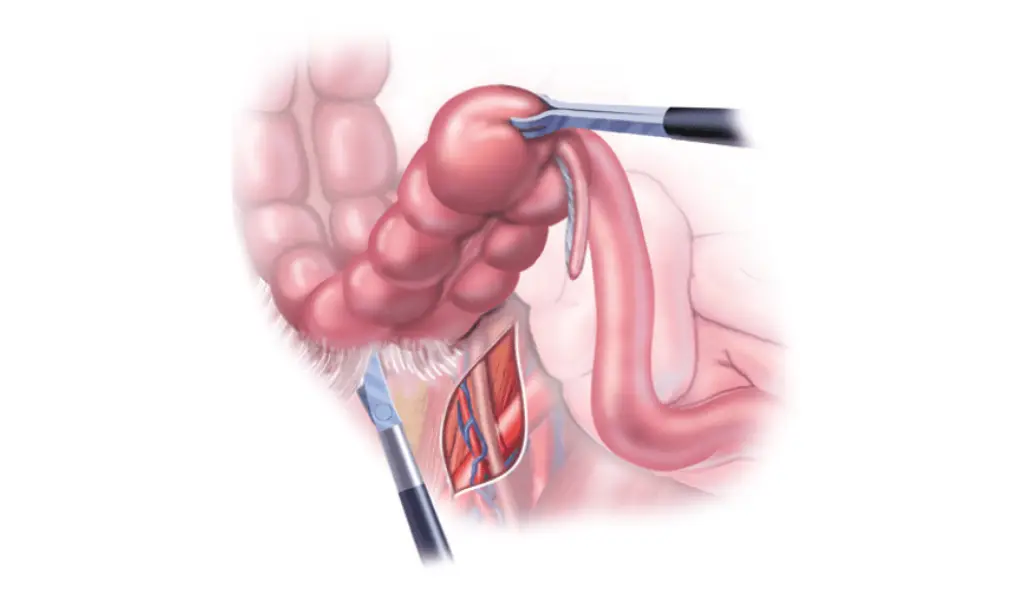
Laparoscopic surgery is the mainstay of outpatient colon surgery. In this method, the surgeon inserts a camera and delicate instruments into the abdomen through several small incisions, half to one centimeter in size. The magnified view provides high precision, and tissue damage is much less than with open surgery.
Robotic Surgery and Its Place in Outpatient Colon Surgery
Robotic surgery is a more advanced generation of laparoscopy, performed with robotic arms controlled by the surgeon. Although it offers extraordinary precision, its higher cost and need for specialized equipment mean it is used less frequently than standard laparoscopy in outpatient colon surgery.
Open Surgery – When is it Outpatient?
Open surgery with a large abdominal incision is typically associated with hospitalization. However, in very specific cases where the incision is smaller and the patient is in ideal condition, discharge within 23 hours (short stay) is possible, which is very close to the concept of outpatient colon surgery.
Comparison Table of Methods
| Feature | Laparoscopic | Robotic | Open Surgery |
|---|---|---|---|
| Incision Size | Several small incisions | Similar incisions to laparoscopic | Large incision (10-20 cm) |
| Post-Operative Pain | Low | Lower | Moderate to High |
| Recovery Period | 1-2 weeks | 1-2 weeks | 4-6 weeks |
| Suitable for Outpatient Surgery | Yes (Standard) | Yes (In advanced centers) | Rarely |
| Cost | Moderate | High | Lower (but when including hospitalization, the difference narrows) |
Essential Preparations Before Outpatient Colon Surgery
Blood Tests, ECG, and Imaging
Before outpatient colon surgery, a complete check-up is performed, including blood tests (cell count, coagulation, kidney and liver function), an electrocardiogram (ECG), and a chest X-ray. A colonoscopy and a CT scan of the abdomen and pelvis are also essential to accurately locate the lesion.
Liquid Diet and Bowel Preparation
Typically, 24 hours before the operation, the patient must follow a clear liquid diet (water, strained juice, weak tea). The night before and the morning of the surgery, prescribed bowel-cleansing solutions are also used to ensure the bowel is completely clean.
Stopping Blood-Thinning Medications
Medications such as aspirin, warfarin, clopidogrel, and certain herbal supplements that increase the risk of bleeding must be stopped according to the physician’s orders, usually 5 to 7 days before outpatient colon surgery. Never stop a medication without consulting your doctor.
Coordinating with a Companion and Planning the Return Home
For outpatient colon surgery, the presence of a responsible adult companion is mandatory. The companion must accompany the patient on the day of surgery, listen to the care instructions, and stay with the patient for the first 24 hours after discharge. Planning for time off work and preparing essential household items should also be done in advance.
Steps of Outpatient Colon Surgery (Step-by-Step)
General Anesthesia and Preparation in the Operating Room
After entering the operating room, the anesthesiologist administers the general anesthetic, and the patient falls into a deep sleep. A breathing tube is inserted to maintain the airway, and vital signs are monitored continuously.
Making Incisions and Performing Laparoscopy
The surgeon makes several tiny incisions on the abdomen and introduces a gentle stream of carbon dioxide gas to open up the working space. Then, the laparoscope (camera) and surgical instruments are inserted, and the image is displayed on a monitor.
Removing the Diseased Section and Reconnecting the Bowel (Anastomosis)
In outpatient colon surgery, the damaged section of the large intestine is carefully freed, and its feeding blood vessels are sealed. Then, the diseased segment is removed, and the two healthy ends of the bowel are connected using special staplers.
End of Surgery, Recovery, and Discharge
After the surgery is complete, the incisions are sutured and dressed. The patient is transferred to the recovery unit and wakes up from anesthesia within one to two hours. After checking vital signs, tolerating oral fluids, and walking, the patient is discharged in good general condition.
Key Benefits and Considerations of Outpatient Colon Surgery
Reduced Hospital-Acquired Infections
Because the patient returns home immediately after outpatient colon surgery, the likelihood of hospital-acquired infections is drastically reduced. This is one of the greatest advantages of this method compared to surgery with a prolonged hospital stay.
Lower Cost Compared to Inpatient Surgery
By eliminating the costs of a multi-day hospital stay, outpatient colon surgery is usually more cost-effective. Although the initial cost of laparoscopy may be slightly higher, overall, it imposes a lower financial burden on both the patient and the insurance provider.
Challenges: The Need for Careful Home Care
The success of outpatient colon surgery depends on proper care at home. The patient and their companion must take the necessary training seriously and contact the surgical team immediately if any unusual symptoms arise.
Post-Operative Care at Home (Golden Tips)
Managing Pain with Prescribed Analgesics
After outpatient colon surgery, pain is tolerable and can be controlled with oral analgesics (usually acetaminophen with codeine or ibuprofen). Avoid self-medicating with aspirin, which carries a bleeding risk, and take your medications exactly as prescribed.
Stepwise Diet: From Liquids to Soft and Normal Foods
Nutrition after outpatient colon surgery must be gradual. On the first day, only clear liquids; on the second and third days, thin soup, mashed potatoes, and yogurt; and from the fourth day onwards, soft foods like steamed chicken and well-cooked rice. Limit gas-producing and raw fibrous foods for up to two weeks.
Wound Care and Warning Signs of Infection
After outpatient colon surgery, changing dressings and showering must be done exactly according to the instructions. A quick shower with lukewarm water is usually allowed 24 to 48 hours later. Immediately report any redness, swelling, purulent discharge, or foul odor from the wound.
Gradual Return to Daily Activities and Driving
Light activity, such as walking around the house, is encouraged from the day of discharge. However, driving is prohibited for up to 2 weeks, and lifting heavy objects (more than 5 kg) is forbidden for up to 6 weeks after outpatient colon surgery.
Time to Return to Work and Exercise
Returning to sedentary office jobs is usually possible after 2 weeks. Heavy manual jobs and professional sports require 4 to 6 weeks of rest. The surgeon will determine the exact timeframe based on your progress.
Possible Complications and When to Call the Doctor Immediately
Common and Temporary Side Effects: Bloating, Constipation, Fatigue
Abdominal bloating and gas, temporary constipation, and a general feeling of fatigue are common and temporary side effects of outpatient colon surgery, which resolve with gentle mobility and an appropriate diet.
Danger Signs: High Fever, Bleeding, Severe Abdominal Pain
Any fever above 38 degrees Celsius after outpatient colon surgery requires immediate investigation. Additionally, active bleeding from the rectum or wounds, sudden severe abdominal pain, repeated vomiting, and failure to pass gas or stool for 48 hours are emergency situations.
Cost of Outpatient Colon Surgery and Insurance Coverage
Factors Affecting the Price
The cost of outpatient colon surgery depends on several factors: the type of surgery (laparoscopic, robotic), the extent of bowel resection, the surgeon’s fee, and the medical facility. The use of more advanced technology generally increases the cost but brings fewer complications and a faster return to normal life.
How Much Do Basic and Supplementary Insurance Cover?
Basic insurance covers a significant portion of the cost of outpatient colon surgery according to approved tariffs. Supplementary insurance also covers the remainder, depending on the policy. Be sure to obtain written pre-authorization from your supplementary insurance before the operation.
Frequently Asked Questions About Outpatient Colon Surgery
Can any type of colon surgery be performed on an outpatient basis?
No, outpatient colon surgery is mainly suitable for non-emergency lesions, small tumors, and patients in stable condition. Acute bowel obstruction, widespread abdominal infection, and extensive adhesions usually require hospitalization.
After how many days can I return to work?
For sedentary jobs, returning to work 10 to 14 days after outpatient colon surgery is possible. Physical and heavy manual jobs require at least 4 weeks of rest.
Will scars remain?
In the laparoscopic method, the incisions are small and gradually fade. Adhering to wound care instructions and using healing creams after complete recovery helps minimize scarring.
Will I need chemotherapy after surgery?
This depends on the pathology result of the removed tissue. If the tumor is malignant but in its early stages, outpatient colon surgery alone may be sufficient. However, if lymph nodes are involved, the oncologist may prescribe chemotherapy.
How long should I follow a special diet?
The stepwise diet is followed for about 2 weeks. After that, you can gradually resume normal foods, but it is recommended to permanently increase fiber intake and limit processed foods.
Conclusion
You now know how outpatient colon surgery, with proper preparation and care, can be a safe and successful experience. The choice of this method should be made in consultation with a super-specialist colorectal surgeon and based on your individual circumstances. This content is purely for informational purposes, and the final diagnosis and treatment are the responsibility of the attending physician.
“`